

Nigeria
About Nigeria
Nigeria’s population is the largest in Africa, with 63% under the age of 25, yet over 33% of youth face unemployment. Many are stuck in informal or precarious jobs, and access to quality vocational training remains a critical barrier. Young Africa’s innovative educational model addresses these challenges by providing market-driven skills training and entrepreneurial support, enabling young Nigerians to achieve economic independence and strengthen their communities.
About Young Africa Nigeria
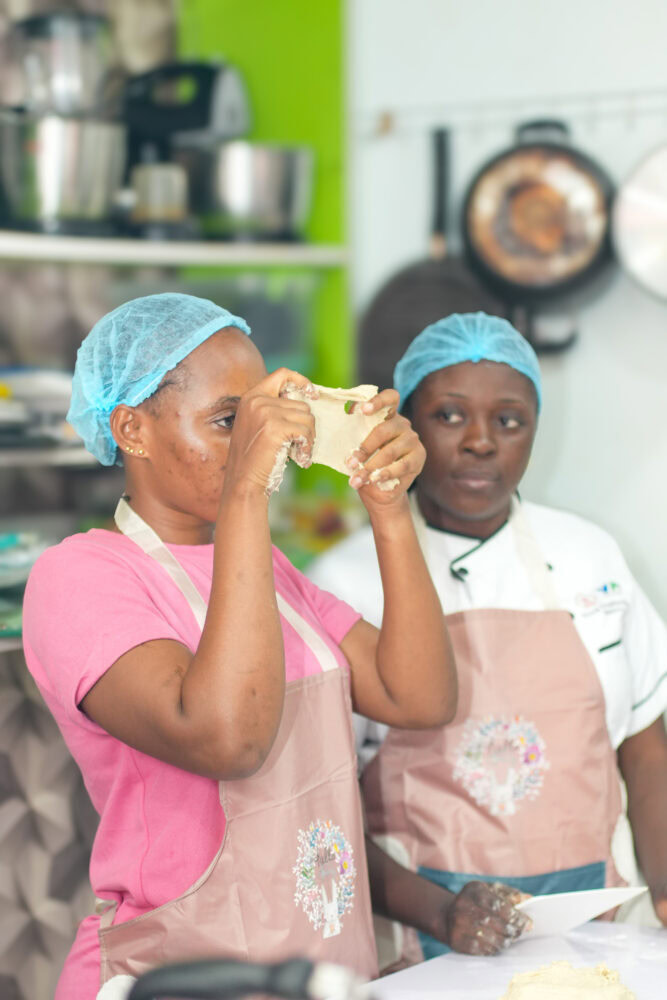
Young Africa Nigeria Advancement and Productivity Initiative (Young Africa Nigeria) is an Associate to Young Africa International federation – a youth-focused development organisation committed to improving employability and economic inclusion for young people. Through market-relevant technical and vocational education and training (TVET), entrepreneurship support, and innovative delivery models such as mobile training and franchise partnerships, Young Africa equips youth especially women with practical skills, mentorship, and pathways to decent work and sustainable livelihoods across communities in Nigeria.
Our Projects
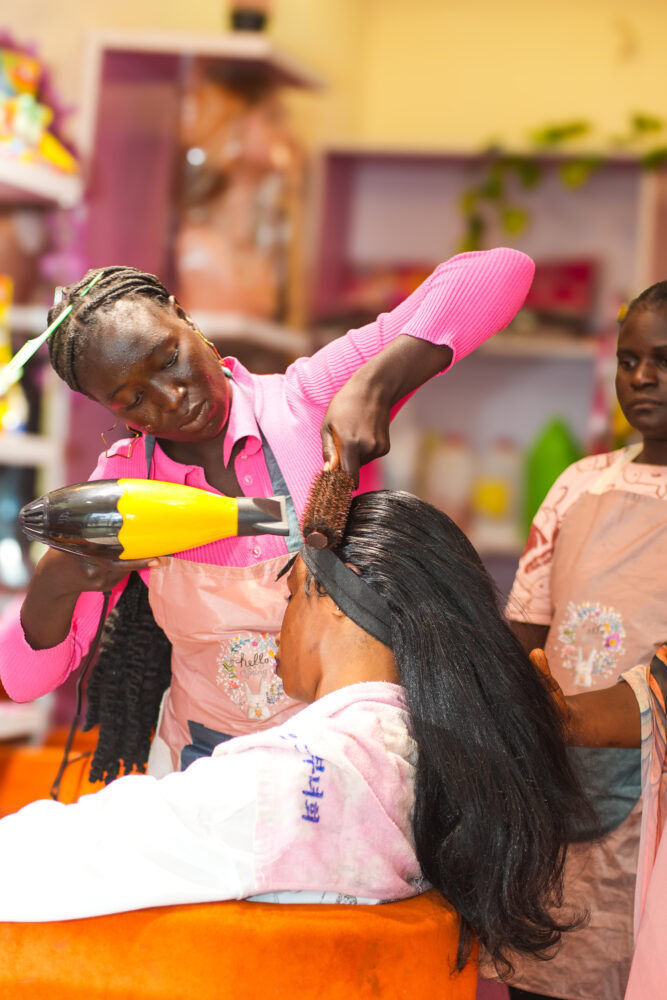
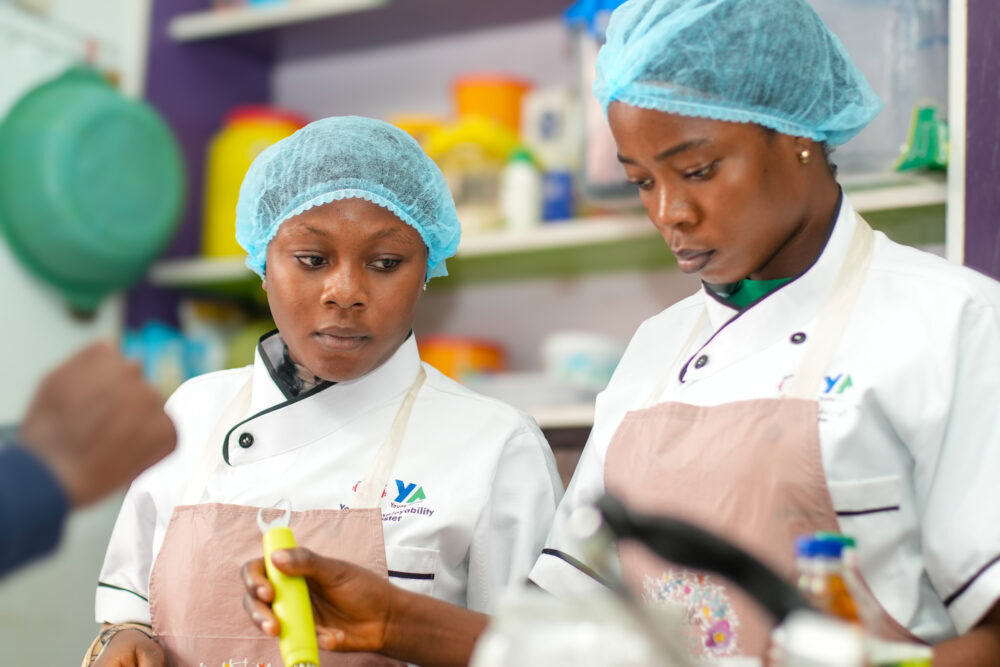
The Youth Employability Booster (YEB) is a Young Africa Nigeria–led project in partnership with Mastercard Foundation that equips young Nigerians with practical, market-driven skills for employment and entrepreneurship. The programme delivers technical and vocational training through mobile and institutional models, complemented by mentorship, business support, and job-linkage services. By prioritising women and underserved youth, YEB strengthens pathways to decent work, self-reliance, and sustainable economic participation across multiple states in Nigeria.
Impact at Glance

No. of Youth Supported
4,220

No. of Enterprises Supported
2,915

%. of Youth in Work
85%

No. of Women Reached
3,741
Affiliate information
- Name
- Active since
- Young Africa Centres
- TVET Training
- Integral training
Our Core Implementation Packages
- Implementation package 2 (IP2) – Integral Mobile Training
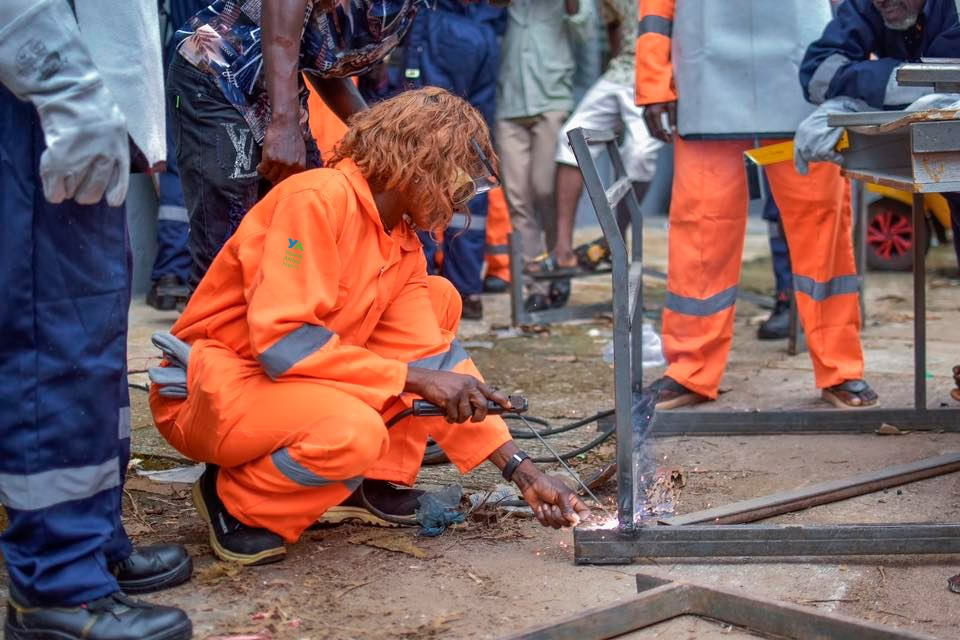
This basically takes training to underserved communities. It is community driven, whereby YA engages with local artisans (mastercraft persons) to provide the actual on the job training. Duration: 6-9 months
- Implementation Package 3 (IP3) – Business Mentorship Support
Targeting female-led nano and micro businesses to grow their businesses through case based mentorship and coaching. Duration 3-6 months
- Implementation Package 4 (IP4) – Franchise Business Model
Engage TVET institutions to disseminate YA models and be financially and operationally self sustained. Duration 6-9 months
- Implementation Package 5 (IP5) – Dissemination of Models
Partner with private sector and/or government-led TVET institutions to disseminate YA innovative models.
Wellington Muchechetere – AG Country Lead
Akinrinlola Simidele – Business Development Officer
Sunkanmi Fadoju – Monitoring, Evaluation and Learning Officer
Valentine Chisom Edoziem – Communications Officer
Gladys Oremeyi Ehimigbai – Finance Officer
Lois Chinedu – Gender Inclusion and Safeguarding Officer
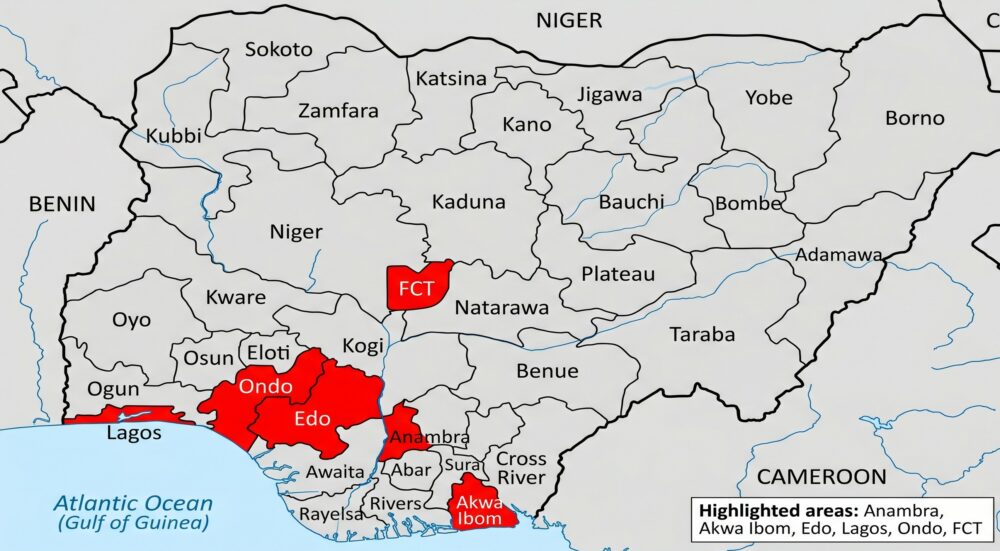
Anambra, Akwa Ibom, Edo, Lagos, Ondo, and Federal Capital Territory (FCT)
Stories of Change

Lorem ipsum dolor sit amet, consectetur adipiscing elit. Vivamus vitae libero id elit suscipit convallis. Quisque congue tempus sem vitae aliquet. Nulla facilisi. Aenean vitae massa ac tortor lacinia laoreet aliquet sit amet ante. Vestibulum ut tempus urna. Maecenas egestas laoreet placerat. Aliquam in nulla ullamcorper, fringilla eros ac, pulvinar sem.
Discover more of our programmes
Care to Share
In Zimbabwe, where youth unemployment remains alarmingly high, access to practical skills training is more urgent than ever. Many young people, especially the most vulnerable, struggle to find pathways into dignified work, financial independence, and sustainable livelihoods. Care to Share responds to this need by equipping disadvantaged youth with life-changing skills, while also strengthening local organisations to replicate Young Africa’s proven models of empowerment.
ZimbabweControl +A
The Control +A project is designed to increase digital inclusion and improve economic opportunities for disadvantaged youth in Zambia.
ZambiaSUNstainable Youth Empowerment
According to the World Bank, only 28% of the population has access to electricity, with a stark urban-rural divide, exacerbating the impact of energy shortages. The transformative programme at the Lilayi Centre is designed to address youth unemployment, energy shortages, and environmental needs in Zambia.
ZambiaStay updated—
subscribe to our newsletter today!