November 25, 2026
Ensuring Justice, Protecting Survivors, and Rewriting Stories of Resilience
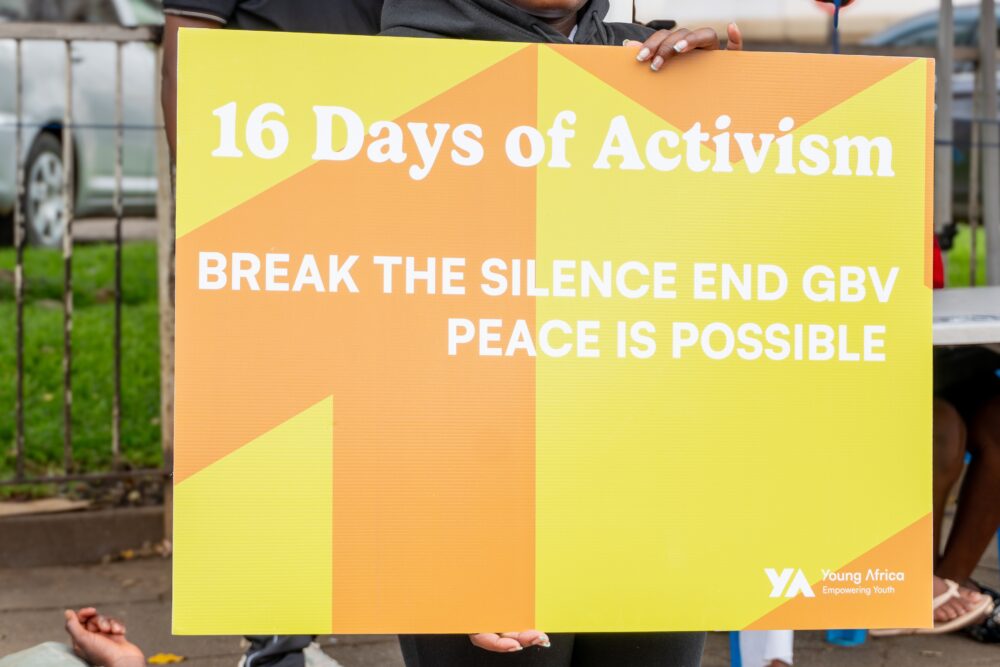
As the world marks the 16 Days of Activism against Gender-Based Violence from 25 November to 10 December 2026, the urgent need to address this pervasive human rights breach remains clear.
This year, the UNITE campaign centres on a critical call to action:
“UNITE to End Violence Against Women and Girls: Ensure Justice, Protect Survivors, End Impunity”.
While global frameworks continue to evolve, the reality on the ground is stark: one in three women experiences violence in her lifetime.
The statistics surrounding gender-based violence (GBV) often mask the profound personal toll it takes on individuals:
Only 31.82% of women globally who experience violence seek any form of help.
Less than one in ten (9.2%) appeal to the police, often due to entrenched gender stereotypes, inadequate resources, and institutional barriers.
89% of surveyed women’s rights organisations report that recent funding cuts have led to a severe reduction in survivors’ access to critical support services.
Bridging this gap requires comprehensive, survivor-centred services that prioritise dignity, safety, and psychosocial support.
Rebuilding a Safer Home: Praise’s Story (Mbire, Zimbabwe)
The transformative power of holistic support is evident in the lives of young women like 24-year-old Praise (name changed) from Mbire, Zimbabwe. For years, her life was shadowed by fear; every request for household money was met with anger and physical violence from her husband.
Her turning point arrived when she joined Young Africa’s Mobile Training, funded by the Dutch Embassy in Maputo. Enrolling in a hairdressing course offered her more than vocational skills; it integrated Life Skills and Sexual Health education.
Today, she runs her own salon, earns her own income, and has found the self-worth to stand up for herself. By ensuring her economic independence, the programme equipped Praise with the resilience to rebuild a calmer, safer home for her children.
Multi-Layered Healing: Melody’s Story (Lusaka, Zambia)
Similarly, the story of 27-year-old Melody (name changed) from Lusaka, Zambia, illustrates why protecting survivors requires multi-layered interventions. Orphaned at birth and shuffled between households, Melody endured severe physical and attempted sexual abuse, pushing her to the brink of hopelessness.
Her introduction to the Skills2Live Zambia programme changed her trajectory entirely. Through a combination of technical food production training, entrepreneurship lessons, Sexual and Reproductive Health and Rights (SRHR) education, and crucial psychosocial support at the Wellness Centre, Melody found healing.
Today, she is a leading chef at a top Lusaka restaurant, runs her own lucrative catering business, conducts weekend gigs as a private chef, and lives independently in her own home. She credits the programme’s comprehensive approach with saving her life and instilling the confidence to demand her true value.
Ending violence against women requires more than stronger laws; it demands justice delivery systems, functional crisis responses, and accountability for perpetrators.
Achieving this is a collective responsibility that relies on multi-stakeholder partnerships between governments, community systems, media, and funders. We must invest heavily in evidence-based solutions that address harmful patriarchal practices and transform community norms.
As we reflect on these 16 Days of Activism, the stories of these two young women remind us that women are often suffering quietly, but with the right support, skills, and courage, they can reclaim their independence.
The conversation cannot end here. We must increase core, flexible funding to frontline organisations and feminist movements. Only through sustained investment can we ensure justice, protect survivors in all their diversity, and finally end impunity.
#16DaysOfActivism #UNITE #EndGBV #WomensRights #EconomicEmpowerment