October 1, 2026
Scaling Green Skills in Africa: From TVET Pilots to Systemic Transformation
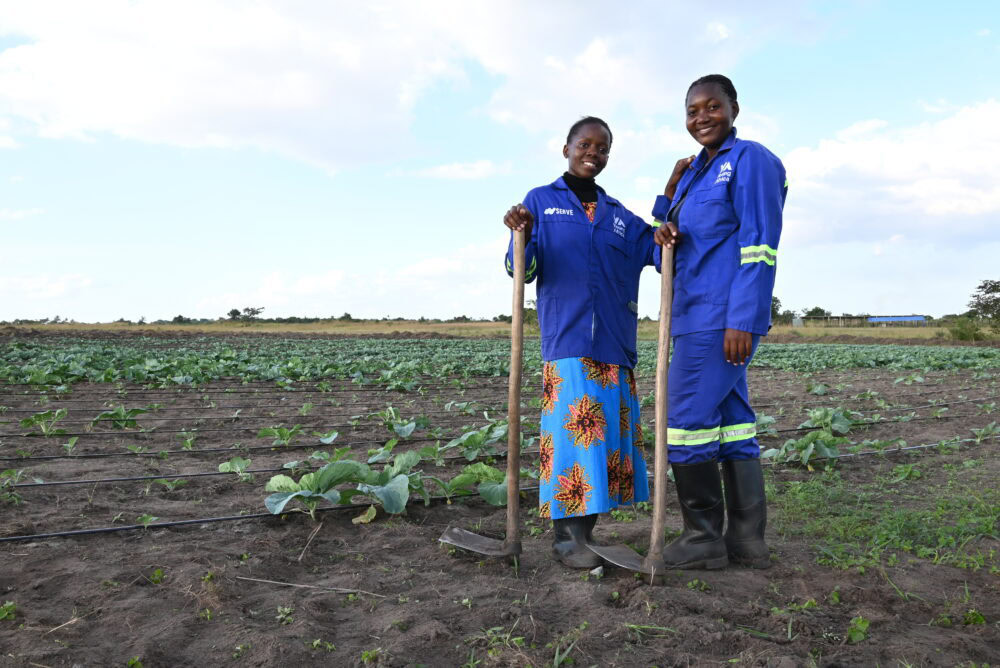
At the same time, rapid urbanisation and population growth are increasing demand for jobs in economies that are struggling to absorb a growing youth population. The result is a convergence of environmental and economic pressures that is forcing governments, educators, and development actors to rethink a long-standing question: what skills do young people need in economies that are informal, climate-vulnerable, and structurally constrained? In this context, Technical and Vocational Education and Training (TVET) systems are increasingly being viewed as a bridge between climate adaptation and economic transformation. Yet the challenge extends beyond curriculum reform.
It raises broader questions about whether education and training systems can respond quickly enough to changing economic realities, particularly in contexts where labour markets are largely informal and institutional capacity remains uneven. Greening TVET is therefore about more than introducing a few environmental courses. It involves embedding sustainability across training systems, from curricula and industry partnerships to institutional operations and governance.
In practice, this means equipping plumbers with water-efficiency skills, electricians with renewable-energy competencies, construction workers with knowledge of climate-resilient building techniques, and entrepreneurs with an understanding of circular-economy principles. It also means transforming training institutions themselves into learning environments where sustainability is part of everyday practice through recycling initiatives, waste management systems, energy-efficient infrastructure, and responsible resource use.
Research from the International Labour Organization (ILO), UNESCO, and the United Nations Environment Programme (UNEP) suggests that the transition to greener economies will reshape labour markets in significant ways. New opportunities are expected to emerge in renewable energy, waste management, sustainable agriculture, climate-resilient infrastructure, and circular economy industries. However, the benefits of this transition are not automatic. Without deliberate investment in skills development, many countries risk creating green jobs that remain inaccessible to large sections of the population. The challenge is particularly acute in Sub-Saharan Africa, where formal job creation has not kept pace with labour supply. As a result, most young people enter informal employment, where incomes are often unstable, and opportunities for advancement remain limited. The question, then, is not simply whether economies will become greener, but whether training systems can equip young people to participate in that transition.
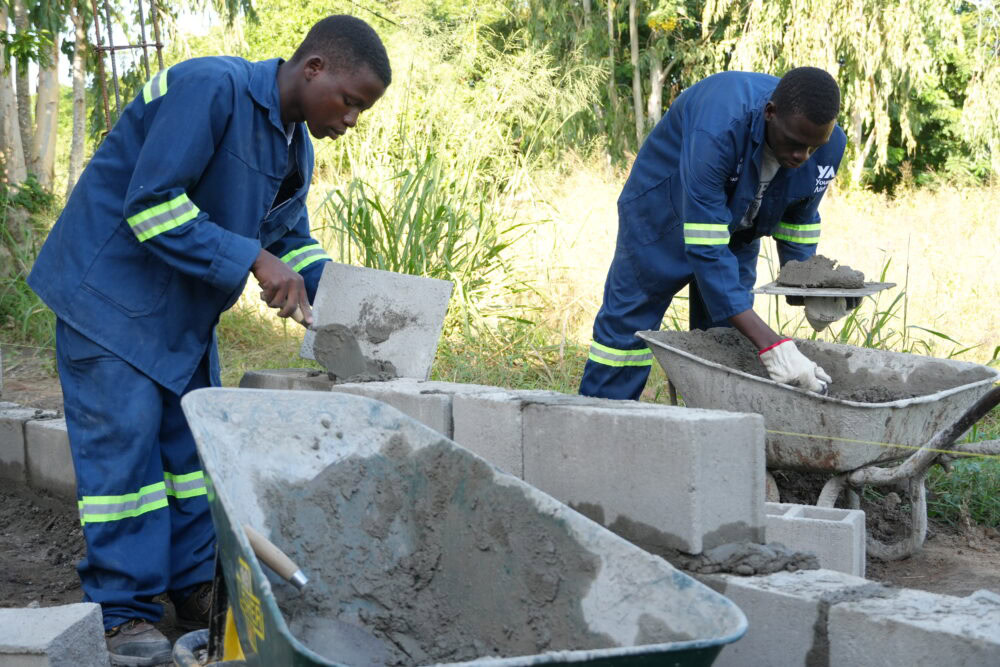
This creates a dual challenge for TVET systems. They must prepare young people for labour markets still dominated by informal work, while also equipping them for emerging sectors linked to the green transition. UNESCO describes green skills not as a separate discipline, but as competencies that cut across all fields of learning. These include resource efficiency, innovation, adaptability, and environmental awareness embedded within technical practice. Yet many TVET systems across Africa continue to operate within frameworks designed decades ago. Training is often organised around traditional trades such as plumbing, carpentry, tailoring, welding, and electrical work, with limited attention to sustainability.
Where environmental issues are included, they are often treated as optional modules rather than core elements of technical training. This creates a growing gap between education systems and the realities of climate-affected economies. Recent research has also challenged the idea that green skills belong only to specialised environmental professions. Instead, institutions such as the ILO and OECD increasingly view them as practical competencies that can be integrated into existing occupations. These include reducing waste, using materials more efficiently, repairing and reusing resources, understanding renewable energy technologies, conserving water, and applying circular economy principles in everyday work.
This shift is particularly relevant in African labour markets, where occupational boundaries are often fluid, and most employment occurs in the informal economy. Workers frequently perform multiple roles, adapt to changing circumstances, and operate in resource-constrained environments. In this context, green skills are less about creating entirely new professions and more about transforming how existing work is carried out. Despite growing recognition of their importance, integrating green skills into TVET remains challenging. Many institutions struggle to update curricula quickly enough to keep pace with environmental and economic change.
Funding constraints limit investment in equipment, technology, and instructor training, while weak links between training institutions and labour markets reduce opportunities to align skills with demand. There is also a broader governance challenge. In many countries, education reform and environmental policy are developed separately, leading to fragmented implementation. As a result, the question is often not whether sustainability should be integrated into TVET systems, but how institutions can make that transition in practical and sustainable ways. Behavioural and cultural factors also shape the success of green TVET. In many contexts, sustainability is still not widely associated with employment or income generation, reducing its perceived relevance among both learners and employers.
These barriers help explain why sustainability remains difficult to integrate at scale. Effective reform requires coordinated action across curriculum development, teacher training, infrastructure, industry engagement, and policy. Where these elements are missing, sustainability often remains confined to pilot projects rather than becoming embedded within mainstream training systems. The risk is that TVET institutions continue producing graduates who are technically trained but poorly prepared for economies increasingly shaped by climate variability, resource scarcity, and environmental regulation.
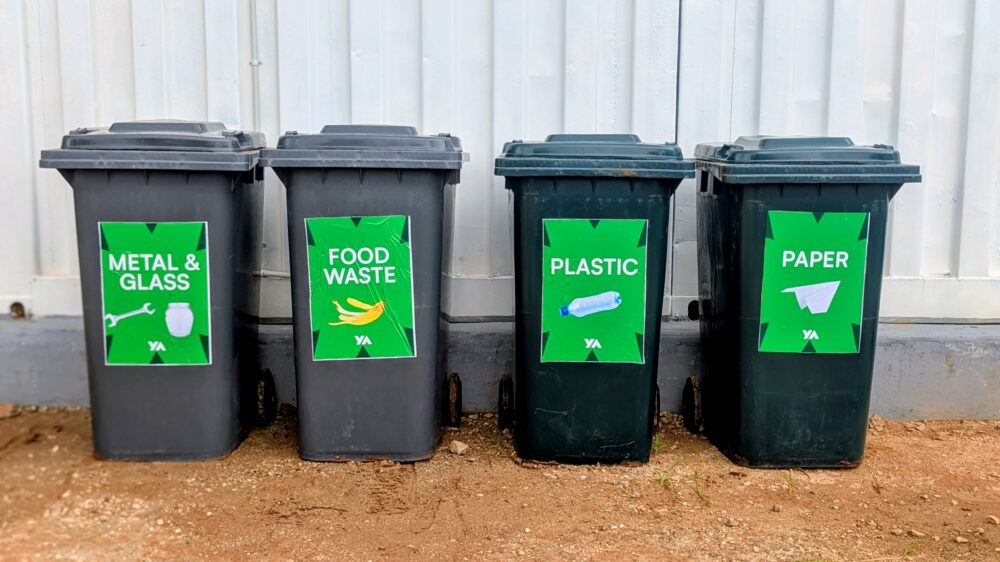
This points to an important lesson emerging from current research: greening TVET is most effective when approached as a system-wide reform rather than a standalone intervention. Sustainability cannot be treated as an additional subject. It must be integrated into how skills are taught, practised, and applied. Training institutions themselves also play an important role. Waste management systems, recycling initiatives, energy-efficient infrastructure, and water conservation measures can turn training centres into spaces where learners experience sustainability in action. This practical dimension is critical because it helps translate environmental awareness into everyday behaviour.
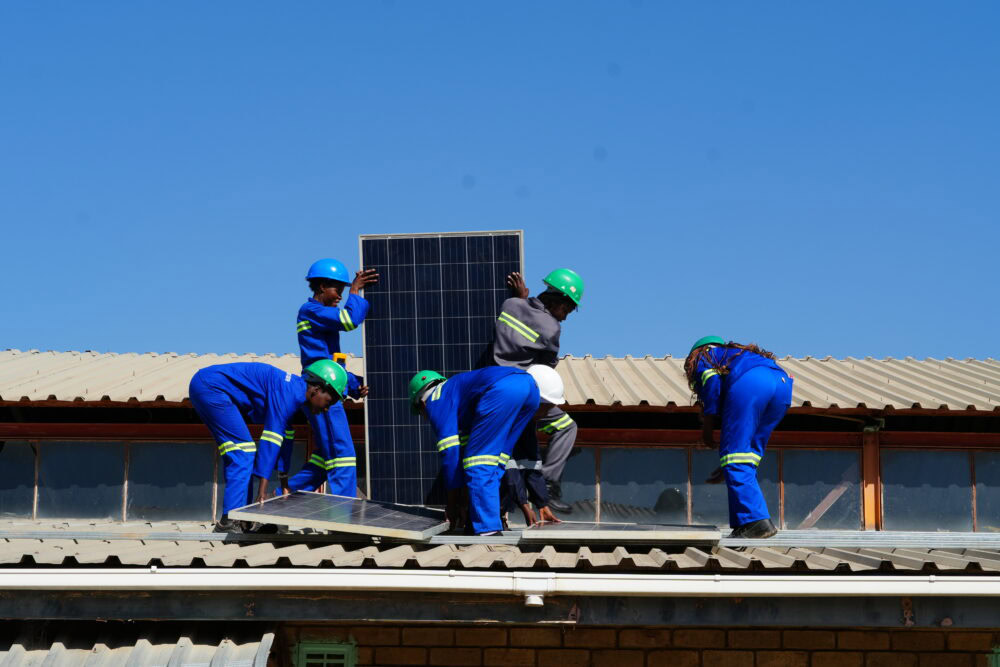
It is within this broader context that Zimbabwe’s Greenovating TVET initiative, implemented through Young Africa, offers an example of how these ideas can be translated into practice. The programme was designed around a central question: how can environmental sustainability be integrated into existing TVET systems without creating entirely separate training structures? To address this, the initiative adopted a dual approach. A centrally coordinated framework provided overall direction on sustainability integration and green skills development, while implementation remained flexible enough to respond to local realities. Training centres were able to adapt activities according to their environmental challenges, available resources, and labour market conditions.
As implementation lead, Wadzanai Diana Manyame explains, environmental pressures and economic opportunities vary considerably across locations, making a standardised approach impractical. Some centres prioritised waste management systems, others focused on renewable energy demonstrations, while others emphasised green entrepreneurship and innovation. This balance between central coordination and local adaptation highlights a wider lesson for development programmes. While shared frameworks can provide consistency and strategic direction, successful implementation often depends on the flexibility to respond to local contexts. In Zimbabwe, this flexibility helped ensure that sustainability was not treated as a theoretical concept but as a response to real economic and environmental challenges.
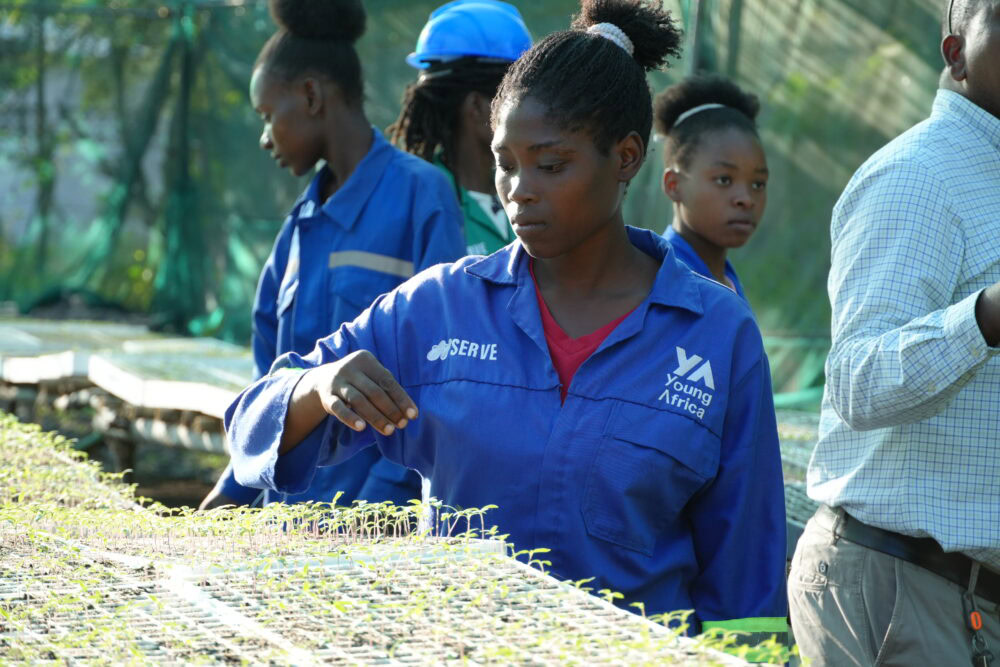
A defining feature of the Greenovating TVET approach was its focus on embedding sustainability into the everyday functioning of training institutions. Rather than limiting environmental education to classroom instruction, centres introduced practical systems like waste segregation, recycling initiatives, renewable energy demonstrations, and hands-on innovation projects. This reflects a growing body of research showing that skills are more likely to be retained when they are applied in practice. For learners, the shift changed how they understood their trades and the role those trades can play in addressing environmental challenges.
In garment construction, fabric offcuts that were once discarded became raw materials for products such as reusable sanitary pads and bags. What was previously treated as waste became a potential source of value and income. Similarly, plumbing trainees were exposed to water conservation systems and alternative energy technologies, expanding their understanding of the profession beyond routine technical tasks. Technical skills increasingly became linked to broader environmental problem-solving. The consequences of failing to make this transition are becoming increasingly clear. Development research suggests that TVET systems that do not adapt risk becoming disconnected from both labour market demand and environmental change. This could limit opportunities in emerging sectors such as renewable energy, sustainable construction, and waste management, while leaving workers less equipped to respond to climate-related disruptions.
At the same time, the Zimbabwe experience highlights the complexity of reform. Integrating sustainability into TVET is not a one-off intervention but a gradual process that requires institutional change, investment, and long-term commitment. The initiative should therefore be viewed less as a completed transformation and more as an ongoing experiment in how sustainability can be embedded within existing training systems.
For Faith Ncube, Programme Coordinator for Green-Specific Interventions, the urgency is clear. ‘Climate change is no longer a future issue. Young people are already experiencing its effects through droughts, resource scarcity, changing agricultural patterns, waste challenges, and energy insecurity. If vocational training continues the same way, we risk preparing young people for a world that no longer exists.’ Ncube argues that sustainability should not be viewed as a specialised field. ‘There is often a misconception that green skills are only for environmental jobs. Sustainability cuts across all trades. Whether you are a plumber, welder, garment maker, or electrician, there are opportunities to reduce waste and improve efficiency.’
This perspective reflects one of the central lessons emerging from the project: sustainability is most effective when treated as a cross-cutting principle that shapes how technical skills are applied, rather than as a separate area of training. The project also highlighted the practical challenges of translating this vision into implementation. According to implementation lead Wadzanai Diana Manyame, one of the most important lessons was the need to balance shared objectives with local flexibility.
‘The project had clear objectives around sustainability and green skills development, but implementation could not be identical everywhere because contexts are different. Environmental challenges, market opportunities, and institutional capacities vary significantly.’ This experience highlights a wider challenge facing efforts to green TVET systems. While common frameworks can provide direction and consistency, successful implementation often depends on the ability of institutions to adapt approaches to local realities. Sustainability goals may be shared, but the pathways for achieving them are rarely identical.
Beyond curriculum reform, the initiative showed that sustainability can be integrated into TVET not only through what is taught, but also through how institutions operate. By embedding sustainable practices into daily activities, training centres become environments where environmental responsibility and technical competence develop side by side. For trainees, this shift changed how they understood both work and value. Brenda Chikonda, a garment construction trainee, describes this transformation clearly. ‘When I joined, I thought sustainability was something for environmental organisations. I never imagined it would be connected to garment construction.’
That perception changed when she began working with fabric offcuts. ‘We used to see leftover materials as waste. Now we see them as resources.’ Through training, she and her peers began transforming discarded fabric into reusable sanitary pads, bags, and other products. ‘It taught me that protecting the environment and making a living are not separate things.’ Brenda’s experience reflects one of the central ideas behind the circular economy: materials that would otherwise be discarded can be reintegrated into production, creating both environmental and economic value.
For Passionate Chamba, a plumbing trainee, sustainability reshaped how she viewed her profession. ‘When I enrolled, I expected to learn plumbing and find work. I did not expect to learn about sustainability or renewable energy.’ Through exposure to water conservation systems and biogas technologies, she began to see technical work differently. ‘It made me realise that technical workers are often part of solving environmental problems.’ She adds that adaptability is becoming increasingly important. ‘The world is changing very fast. We need skills that allow us to adjust, not just repeat tasks.’ At the same time, the initiative highlights some of the practical challenges involved in scaling green TVET. Funding constraints continue to limit investment in infrastructure, technology, and instructor training. Awareness of green employment opportunities remains uneven, while weak labour market linkages can make it difficult for graduates to transition into emerging sectors.
These challenges point to a broader tension facing many efforts to green TVET systems. While sustainability is increasingly recognised as a priority, implementation often occurs in environments where institutions are already operating with limited resources and competing demands. For many training providers, the challenge is not whether green skills matter, but how to integrate them in ways that are practical, affordable, and sustainable over the long term. The experience also highlights a wider lesson for policymakers and development actors. Scaling green TVET requires more than successful pilot projects. It requires sustained investment, stronger links between training systems and industry, and policy environments that support long-term institutional change.
Several lessons emerge from both research and practice. Greening TVET is most effective when sustainability is embedded within existing systems rather than introduced as a standalone programme. Institutional practice matters as much as curriculum content, with learners more likely to adopt sustainable behaviours when they experience sustainability through the daily operations of training centres. The experience also reinforces the importance of local adaptation.
Climate risks, economic opportunities, and labour market conditions vary widely, meaning that while sustainability goals may be shared, implementation pathways are rarely identical. The Zimbabwe experience reinforces these lessons. The Greenovating TVET initiative demonstrates that sustainability can be integrated into vocational training without creating entirely separate systems. Embedding green skills within existing trades, transforming training centres into practical learning environments, and allowing flexibility within a shared framework offer a realistic pathway for reform.
At the same time, the initiative highlights the limits of pilot projects. Without sustained investment, stronger labour market linkages, and coordinated policy support, green skills risk remaining confined to isolated interventions rather than becoming a defining feature of national TVET systems. Ultimately, greening TVET is not simply a curriculum reform exercise. It is a systems transformation challenge that requires institutions to rethink how skills are taught, how training environments function, and how learning connects to economic and environmental realities.
As climate change continues to reshape livelihoods and labour markets across Africa, the question is no longer whether TVET systems should integrate sustainability, but how quickly and effectively they can do so. The answer will help determine whether young people are equipped not only to find work, but to build resilient livelihoods in a rapidly changing world.