August 31, 2026
Investing in Africa’s Youth
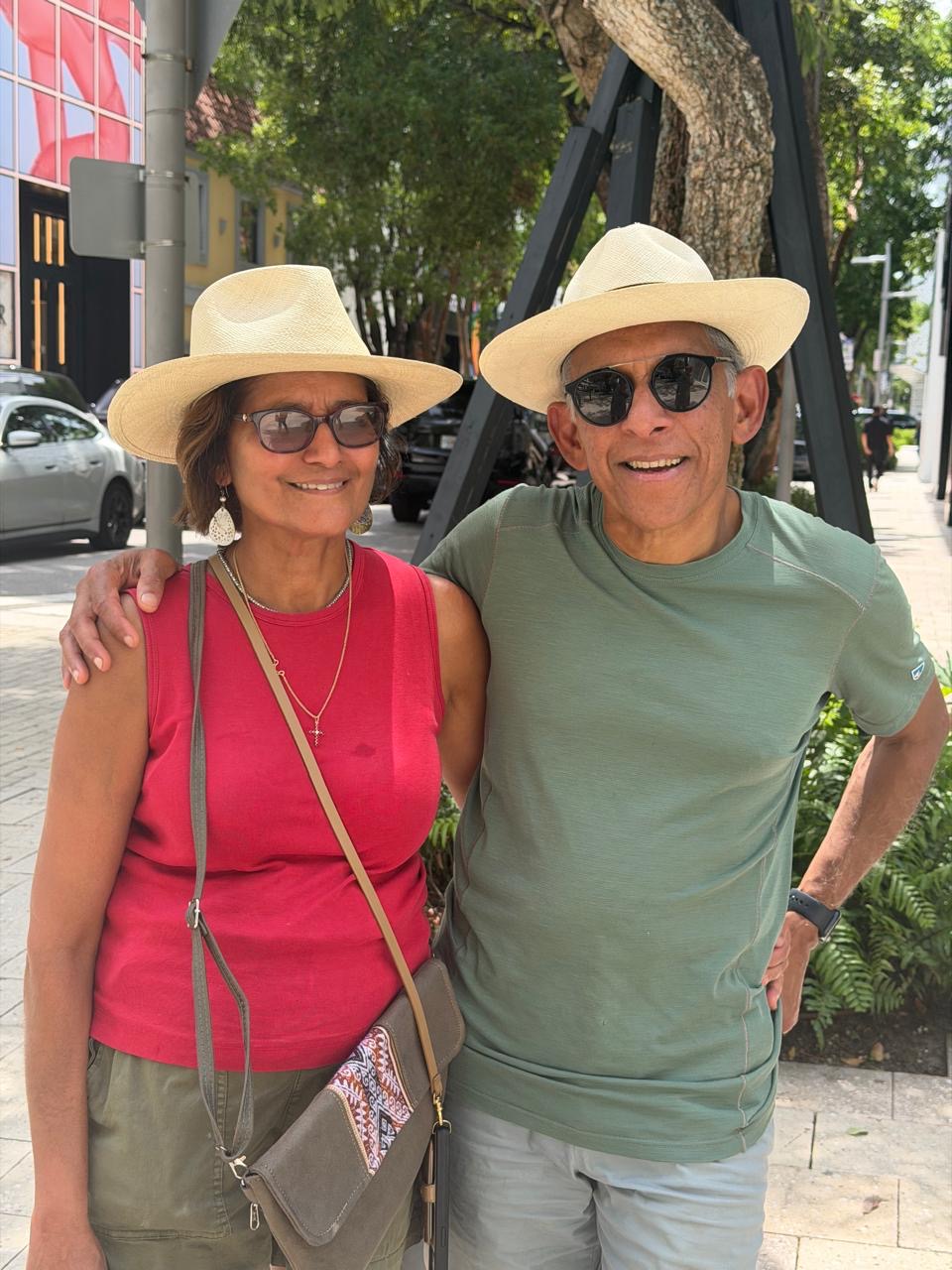
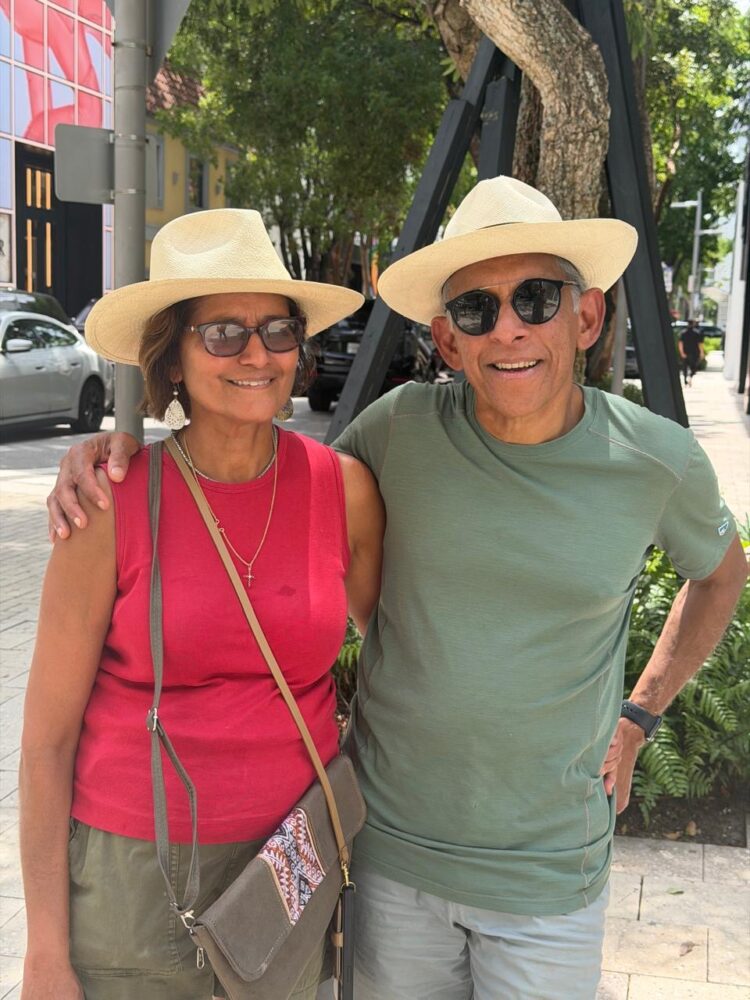
Guided by the belief that teaching someone a skill creates a ripple effect that can last for generations, Joe and his wife have focused their giving on education, empowerment and opportunities that enable people to build sustainable futures.
“I don’t really think of these as donations. I think of them as investments,” Joe explains. For him, the true return lies in seeing young people develop valuable skills, earn a sustainable income, support their families and contribute to their communities.
What set Young Africa apart was its ability to combine this focus on practical skills with a model that can create impact at scale. Having previously supported individual schools and orphanages, Joe saw the potential of Young Africa’s approach to reach thousands of young people across multiple countries while measuring the long-term results. As someone who values measurable impact, Joe looks beyond individual success stories. He wants to understand how many young people graduate, find employment and move towards economic independence. It is this combination of scale, sustainability and proven outcomes that convinced him to support Young Africa’s work.
In this interview, Joe shares why he believes investing in African youth is one of the most powerful ways to create lasting change.
I grew up in India and later moved to the United States to complete my MBA. I spent my career working in investing and finance before retiring about ten years ago. My wife and I decided there was more to life than work, and since then we’ve dedicated much of our time to causes we care about.
My connection to Young Africa began in an unexpected way. When I was around 10 or 11 years old, I joined the Boy Scouts at school. One of the leaders was Brother Raj, who made an enormous impact on my life. He was genuinely kind, caring and great fun, and many of us who knew him still remember him fondly decades later.
Several years ago, I reconnected with Raj through a former classmate. We immediately picked up where we had left off, and through him I learned about the work Young Africa was doing. Raj introduced me to Dorien, and after hearing about the organisation and its vision, I thought, “If these two people are involved, it has to be something worthwhile.”
My wife and I have supported a number of non-profit organisations over the years, but education has always been the common thread running through our giving. We strongly believe in the saying, “If you give someone a fish, you feed them for a day. If you teach them how to fish, they can feed themselves for life—and then teach others.” That’s where the real ripple effect comes from.
Rather than simply providing short-term assistance, we prefer making long-term investments in people. Investing in young people means they have 30 or 40 years ahead of them to contribute to their families, communities and society. We believe that creates a much greater return than simply addressing immediate needs.
Our giving has consistently focused on three areas:
One of the biggest differences for us was Young Africa’s ability to operate at scale. Previously, we had helped individual schools and orphanages, and while those projects made a meaningful local impact, they remained limited geographically. Young Africa demonstrated something different—a model that could be replicated across multiple countries. When Raj and Dorien explained how the organisation disseminates its approach across Africa, that immediately caught my attention. The second thing that resonated with me was Young Africa’s focus on practical skills. Not everyone wants—or is able—to attend university. Many young people excel with their hands. Training people to become mechanics, technicians, welders, builders or entrepreneurs creates lasting opportunities that are essential for developing economies. Our first investment in Young Africa also appealed to us because it supported access to small loans for entrepreneurs. Many hardworking people have good ideas but lack access to capital. Helping them start businesses seemed like an innovative way of creating opportunity.
The original catalyst for my wife and me becoming involved in charitable giving happened many years ago. We learned about a little girl who was found beside her mother after her mother had died from AIDS. At the time, our own children were around the same age, and it deeply affected us. We asked ourselves how two children of similar ages could have such completely different starts in life. That experience first led us to support an orphanage. From there, we became involved in education for vulnerable children, then girls’ education, and eventually vocational education. When it comes to Young Africa specifically, what reinforced my confidence was not one individual story but the organisation’s ability to create impact at scale.
I’m a numbers guy. Individual stories matter, but I also want to know:
First, support a cause that genuinely aligns with your own beliefs and values. Second, pay close attention to the people leading the organisation.Throughout my investment career, I learned that leadership culture is often the biggest predictor of success. I look at the ethics, integrity, vision and motivations of the people running an organisation. Only after that do I look at effectiveness. Some people are inspired by individual success stories. Others, like me, want to understand measurable outcomes such as graduation rates, employment rates and long-term impact. There isn’t one correct way of evaluating success, but you should know what matters to you before deciding where to invest your support.
“Personally, I don’t really think in terms of philanthropy.
I think in terms of investing in African youth. Providing emergency aid has an important place, but by itself it doesn’t solve long-term problems. Long-term change comes from equipping young people with skills that allow them to become economically independent. The return on that investment isn’t financial for me. The return is seeing someone develop valuable skills, earn a sustainable income, support a family and no longer depend on governments or aid. If, for example, a young person receives vocational training and earns significantly more over their lifetime than they otherwise would have, then that difference represents the return on the original investment in their education.
That is how I define success. If you could meet one young person whose life has changed through Young Africa, what would you ask them?
Rather than asking, “How did Young Africa change your life?”, I would ask:
“What would you have done if there had been no Young Africa?”
I think the answer to that question tells you far more about the real impact of the organisation.